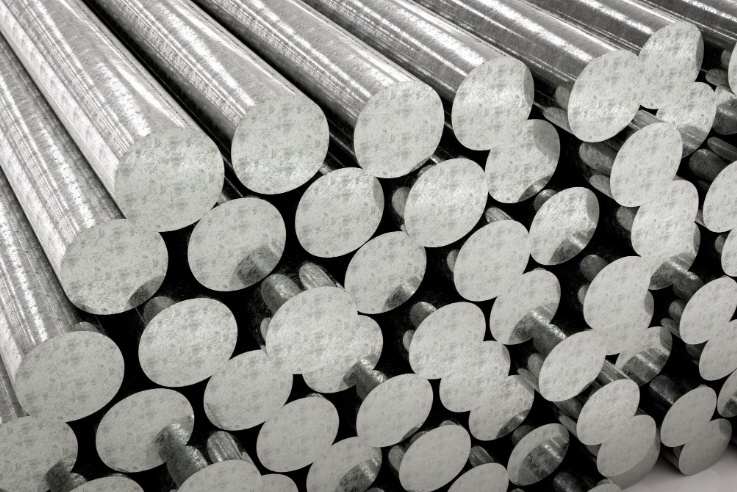
Machining Inconel 718: Challenges and Best Practices for Aeronautical Parts

Machining Inconel 718 requires overcoming its rapid work hardening and extreme heat generation to ensure the integrity of aerospace parts. Strict control of cutting parameters is essential. By combining a high-rigidity CNC fleet with expertise in mechanical honing—a "cold" machining process—ZEDCE fully preserves the superalloy's microstructure. We thereby avoid any heat-affected zone (HAZ) and guarantee micrometric tolerances for the absolute reliability of your critical components.
In aerospace, reliability allows for no compromises. A turbine part must withstand extreme temperatures, fatigue, and mechanical stress without ever failing. It is precisely for these harsh environments that theInconel 718was designed, the industry's most widely used nickel-based superalloy. Renowned for its exceptional in-flight properties, it nevertheless proves to be one of the most difficult materials to machine in the workshop.
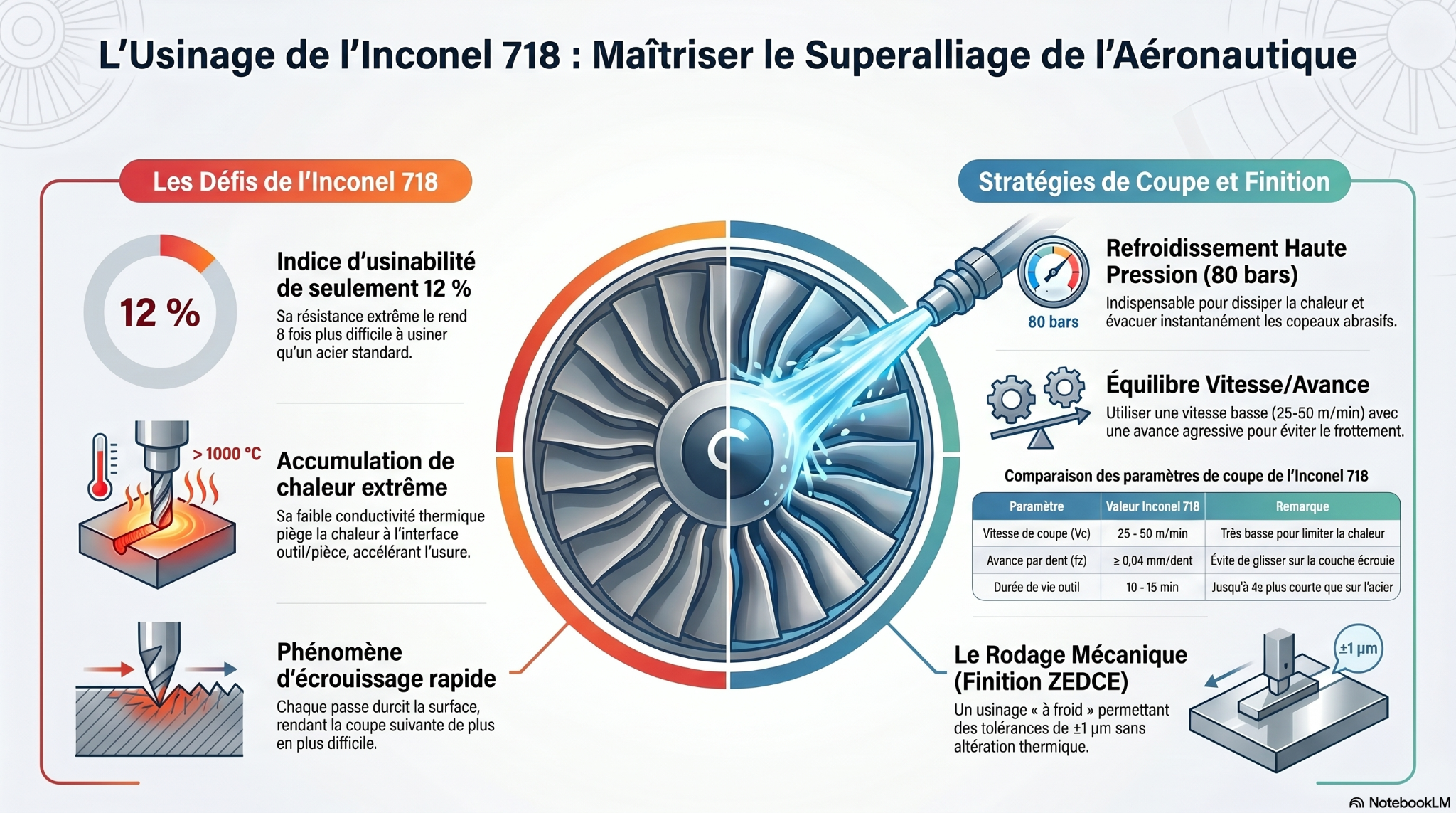
This is the very paradox faced by precision machining. Although it is the master alloy for high-pressure zones in jet engines (omnipresent in the design of disks, blades, and casings), Inconel 718 has a machinability rating 7 to 8 times lower than steel.
This article details the material's composition and properties, the metallurgical challenges of shaping it, optimal cutting parameters, and the finishing expertise required to produce parts that meet aerospace requirements.
Key takeaways :
- Material: Nickel-chromium-niobium-based superalloy, precipitation-hardened (γ′ and γ″ phases).
- Machinability index: Approximately 12%, meaning it is 7 to 8 times less machinable than steel.
- Aerospace applications: Turbine disks and blades, servovalves, engine fasteners, high-temperature components.
- Major challenges: Rapid work hardening (work hardening), low thermal conductivity (11.4 W/m·K), and premature tool wear.
- Key parameters: Low cutting speed (25 - 50 m/min), constant feed (≥ 0.04 mm/tooth), and high-pressure (≥ 80 bar) or cryogenic cooling.
- ZEDCE finishing: Inconel 718 is suitable for mechanical honing to achieve tolerances of ±1 µm while maintaining thermal integrity.
What is Inconel 718? Composition and properties
Before discussing its machining, it is essential to understand what makes this nickel-based superalloy so unique. Its chemical composition and thermomechanical properties explain both its value in the aerospace industry and the difficulty of shaping it.
Definition and chemical composition
Inconel 718 (UNS N07718, Werkstoff 2.4668) is a precipitation-hardened nickel-chromium-niobium superalloy. Its strength comes from the formation of γ″ (Ni₃Nb) intermetallic phases, the primary hardening phase, and γ′ (Ni₃(Al,Ti)) phases, which develop during aging heat treatment. It is this microstructure that gives it its remarkable mechanical properties at high temperatures.
Key physical and mechanical properties
The properties ofInconel 718 are its true aeronautical selling points. Its mechanical strength, its thermal resistance and its corrosion resistance are the reasons why it is used in the most highly stressed areas of aircraft engines.
Also worth noting: Inconel 718 retains excellent mechanical properties in cryogenic conditions, which also makes it suitable for rocket engines and space applications.
Why does Inconel 718 dominate in aeronautics?
The combination of strength, thermal resistance, and corrosion resistance makes this refractory superalloy the go-to material for critical components subjected to the extreme conditions of jet engines.
Every application meets a flight safety requirement:
- Turbine discs: high-pressure compressor and turbine, where high-temperature creep resistance is vital;
- Turbine blades: civil and military jet engines, precision aerodynamic profiles;
- Casings and combustion chambers: hot zones, containment function (containment);
- Engine mounts (pylons): transmission of thrust to the wing structure;
- Servovalves and actuators: high-temperature hydraulic components requiring a perfect seal.
The major challenges of machining Inconel 718
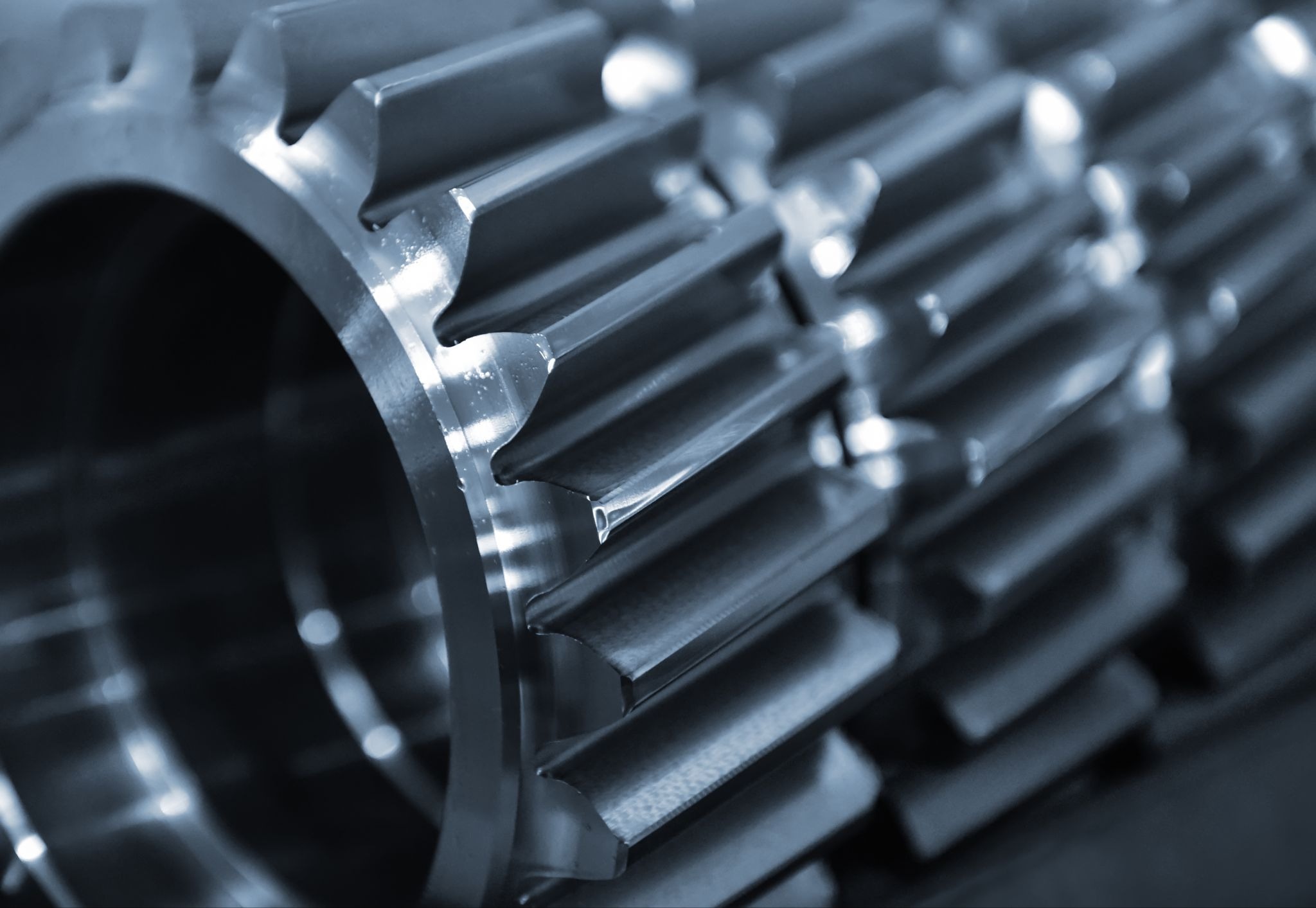
The characteristics that make usingInconel 718 so relevant in the aerospace industry are also the reason it is so difficult to machine. Understanding these machining challenges is the first step toward mastering them and ensuring the surface integrity required in aerospace.
Low thermal conductivity and heat buildup
Unlike aluminum, which efficiently dissipates energy through its chips, Inconel 718 suffers from very low thermal conductivityDuring cutting, heat does not dissipate and remains trapped at the tool/workpiece interface. It concentrates at the tip of the edge, creating temperature spikes that can locally exceed 1000 °C. This overheating leads to inevitable plastic deformation of the cutting tool, causing its service life to plummet to between 10 and 15 minutes, far short of the 30 to 60 minutes observed when machining standard steel.
This phenomenon of heat buildup in the cutting zone is widely documented in scientific literature. A study published on MDPI details the machinability characteristics of the alloy and confirms the central role of cutting temperature in tool wear.
Rapid work hardening (work hardening)
Inconel 718 has a high capacity for work hardening. Consequently, each tool pass hardens the surface layer of the material for the next pass. If the tool rubs instead of cutting cleanly (for example, with too low a feed rate), it slides over an already hardened surface, generates even more heat, and ruins the part. This is why the feed per tooth must always be sufficient to penetrate beneath the work-hardened layer, without ever interrupting the cut within the material.
Particle adhesion and tool wear
At high temperatures, micro-particles of Inconel adhere to the cutting edge and form a built-up edge. This results in notch wear (notching) and flaking characteristic of refractory superalloys. The surface finish degrades rapidly (Ra increases) and the integrity of the part is compromised. The permissible flank wear limit (VBmax) is only 0.12 mm for submicron carbide: beyond this, the surface hardness of the part jumps (by approximately +150 HV) and destroys the next tool.
Surface integrity and residual stresses
In the aerospace industry, surface integrity is a critical parameter for fatigue life. Poorly controlled cutting forces and excessive temperatures induce tensile residual stresses on the surface, or even a heat-affected zone (HAZ). These defects become crack initiation sites during service, which is an unacceptable risk for a turbine disk.
Academic research on the subject, notably the thesis by G. Le Coz (University of Lorraine) on surface integrity during the machining ofInconel 718, highlights the importance of controlling cutting temperature to preserve the in-service performance of parts.
High-volume machining
The final challenge is economic: aerospace parts start as large forged blanks from which up to 80% of the material must be removed to reach the final shape.
This removal volume, combined with the hourly machine rate and the high cost of the superalloy, makes every scrap part particularly expensive. Given the accelerated tool wear, perfect control of cutting parameters becomes the only guarantee of the operation's profitability.
Comparison: Inconel 718 versus other superalloys
Not all high-temperature alloys present the same machining challenges. This comparison positionsInconel 718 among its peers and clarifies material selection based on the application.
Cutting parameters and workshop strategies
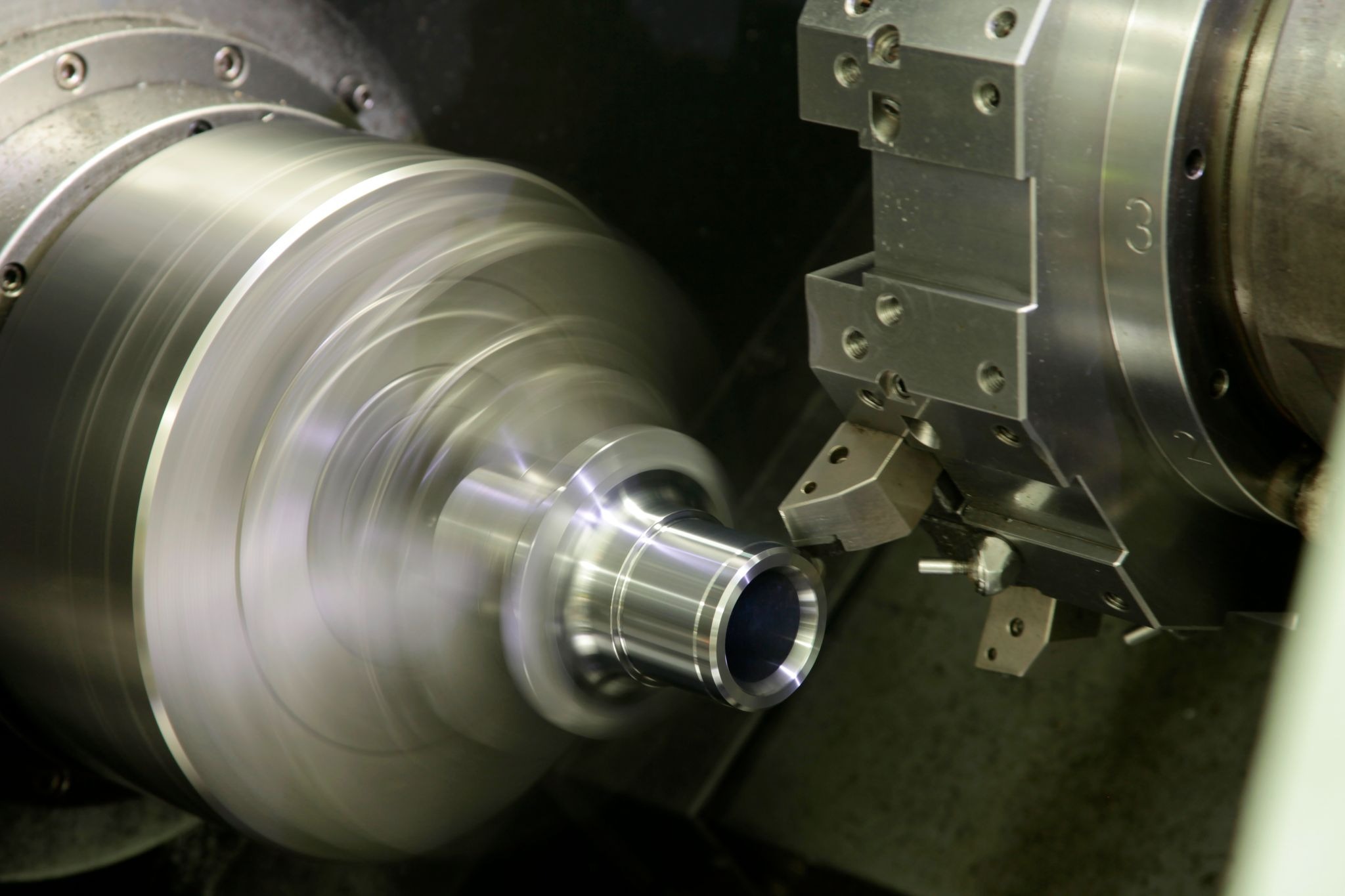
Working with such a material requires absolute precision. To avoid critical overheating and work hardening of the part, it is imperative to precisely orchestrate speed, feed, tooling, and cooling. Here are the proven workshop cutting parameters to secure the machining of this superalloy.
Speeds, feeds, and tool life
The machining strategy relies on a balance that may seem counterintuitive: reduced speed coupled with an aggressive feed. The low speed limits temperature rise, while the high feed ensures the insert shears through healthy material rather than sliding over the work-hardened surface layer.
Tooling selection: carbide and ceramic
When dealing withInconel 718, the choice of cutting tool is decisive for controlling wear and process stability. While SiAlON ceramic remains essential for high-speed roughing due to its resistance to very high temperatures, finishing and precision machining stages require a different approach. Sub-micron carbide combined with a TiAlN or AlCrN coating is preferred, as its multiple layers effectively block oxidation and abrasive wear.
Regardless of the machining stage, optimizing tool geometry is imperative. Adopting a positive rake angle lowers mechanical forces and limits thermal buildup, while a suitable chipbreaker protects the edge from built-up edge. The cutting data from major tool manufacturers (Iscar, Sandvik) serves as an essential baseline for this type of superalloy.
Toolpath strategies: Trochoidal milling
Beyond raw parameters, the toolpath plays a major role in thermal management. Trochoidal milling has established itself as the gold-standard strategy for roughing superalloys.
Rather than a constant conventional engagement, trochoidal milling follows loops that control the tool's engagement angle and reduce thermal load. A concrete example from a workshop case: an Inconel 718 turbine disk (38–42 HRC, Rm = 1380 MPa) with 18 dovetail slots, roughed with a Ø10 mm 5-flute ultra-fine AlCrN-coated end mill, achieved an Ra of 3.2 µm in roughing with less than 0.1 mm of wear after one slot.
The vital importance of cooling
Faced with the extreme heat concentrated on the cutting edge, conventional coolant proves completely ineffective. In the aerospace sector, high-pressure cooling is a production imperative. It requires a continuous jet maintained between 70 and 80 bar, targeted with millimeter precision at the cutting zone.
This aggressive lubrication serves a vital triple role:
- Dissipating accumulated heat at the tool/material interface.
- Instantly evacuating chips to prevent any scratching on the finished part.
- Countering particle adhesion (built-up edge) on the tool.
While scientific research is currently exploring dry machining for Inconel 718, industrial workshops prioritize reliability. For the most demanding high-volume production rates, they do not hesitate to deploy liquid nitrogen cryogenic systems to achieve absolute thermal control.
ZEDCE expertise: from CNC machining to superfinishing Inconel 718
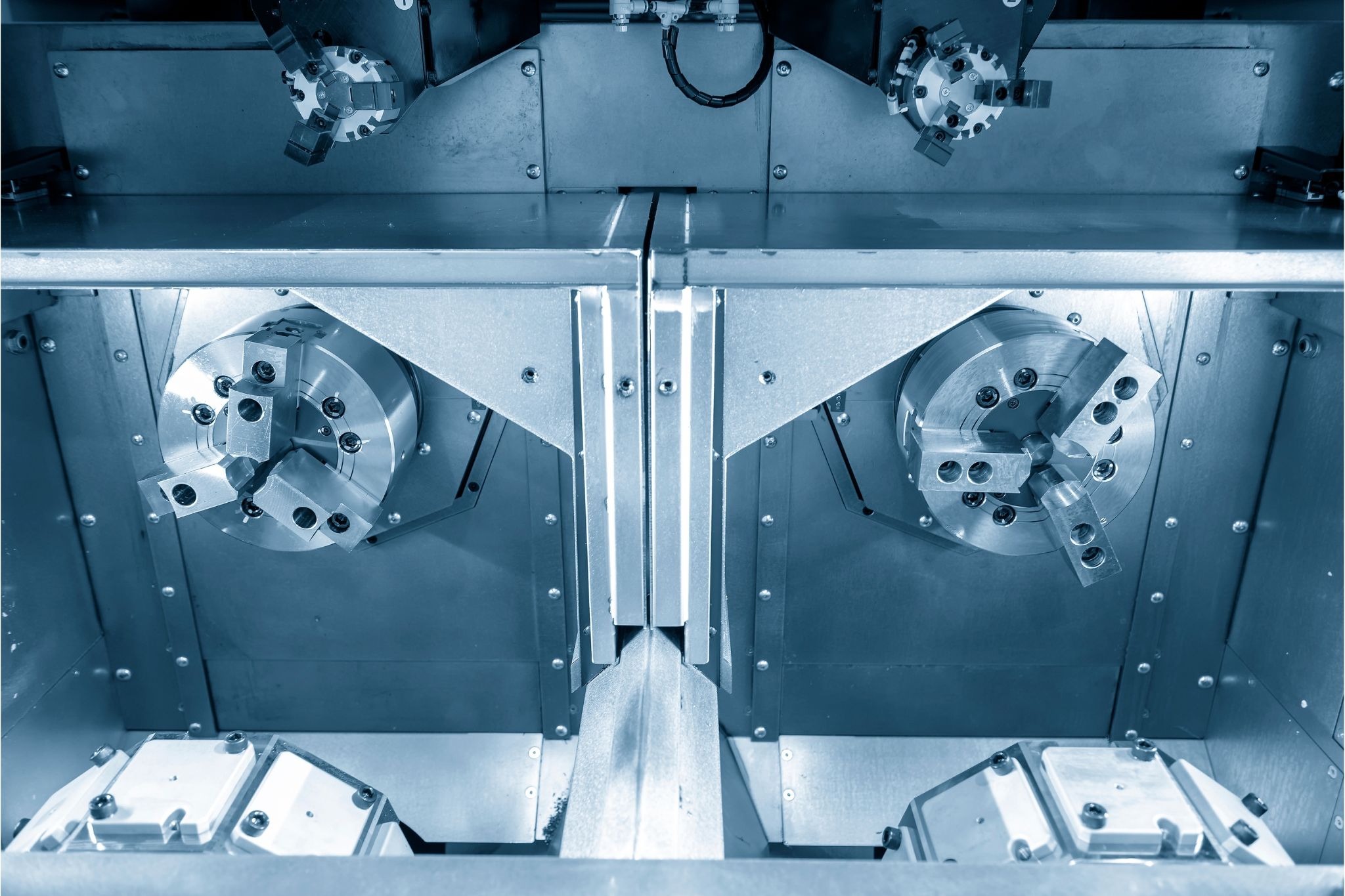
Machining a superalloy such asInconel 718 goes far beyond the scope of conventional milling or turning. Its secure implementation requires state-of-the-art industrial infrastructure, combining absolute equipment rigidity with advanced superfinishing expertise.
At ZEDCE, the operational continuity between CNC machining, micrometric grinding, and mechanical honing forms a fully integrated production ecosystem. This holistic view of the value chain is a critical factor in preserving metallurgical integrity.
A high-rigidity multi-axis machining fleet
MachiningInconel 718 forbids the slightest vibration: even the smallest instability irreparably alters the surface finish and accelerates cutting tool wear.
ZEDCE’s fleet of CNC machines has been specifically structured to meet this requirement for thermal and mechanical stability:
- Nakamura multi-axis CNC lathes: Dedicated to high-precision turning and the rigorous management of deformable geometries;
- HAAS machining centers: Optimized for dynamic roughing and the finishing of complex shapes;
- Diskus (surface) and Kellenberger (cylindrical) grinding cells: Ensuring compliance with strict geometric tolerances, down to the micron;
- Stäubli automation: Robotized loading and unloading workflows to ensure consistent productivity without compromising quality.
Mechanical lapping: the decisive step for superalloys
For aeronautical components subject to the most severe stresses (such as servovalves or sealing surfaces), turning and milling reach their technological limits. It is at this critical stage that ZEDCE's expertise in mechanical lapping comes into play.
This superfinishing process, characterized by very low kinematic speed, is known as "cold" machining. It prevents any risk of surface burning and avoids the formation of a Heat Affected Zone (HAZ). By fully preserving the microstructure of Inconel 718, lapping makes it possible to achieve dimensional tolerances of approximately ±1 µm, combined with an exceptionally fine surface finish (Ra ≤ 0.4 µm).
Quality control and traceability: meeting aerospace standards
Industrial requirements leave no room for guesswork: every integrity criterion must be measured, documented, and certified. ZEDCE therefore deploys a dimensional control and metrology chain perfectly aligned with the sector's regulatory requirements:
- Advanced metrology: Measurement via Coordinate Measuring Machine (CMM), precise rugosimetry (Ra, Rz, Rmax), and rigorous management through Statistical Process Control (SPC).
- Strict regulatory compliance: Application of EN 9100 standards (Aerospace quality management), ISO 1101 (Geometric tolerancing), ISO 21920 (Surface texture), and absolute adherence to AMS 5662 specifications (specific to Inconel 718).
- Comprehensive traceability: Unit documentation via a part history log, strict monitoring of machining conditions, and certified declaration of material conformity.
Need to machine Inconel 718 parts?
Do you have turbine disks, complex blades, servovalves, or engine fasteners in Inconel 718 to produce? ZEDCE masters the challenges of this superalloy, known as the most difficult to machine.
Thanks to our integrated machine park (CNC turning, milling, grinding, superfinishing) and proven experience with aeronautical materials, we guarantee the surface integrity required in production : shorter lead times, controlled quality and full traceability.
Request a feasibility analysis by contacting our technical team.
FAQ: your questions about machining Inconel 718
Here are the answers to the most frequently asked questions about machining this superalloy, covering common inquiries from design offices and aerospace contractors.
Why is Inconel 718 so difficult to machine?
Its low machinability rating (approximately 12%) stems from three physical constraints. Its high tensile strength (> 1200 MPa) generates massive cutting forces. Simultaneously, its low thermal conductivity (11.4 W/m·K) concentrates heat at the cutting edge, reducing tool life to 10–15 minutes (compared to 30–60 minutes for steel). Added to this is the phenomenon of material adhesion, which creates notch wear that compromises surface finish quality.
What cutting speed should be used for Inconel 718?
Speeds must remain low: 25 to 50 m/min using coated submicron carbide tools (TiAlN or AlCrN). High-speed steel (HSS) should never be used. Higher speeds for roughing require specific ceramic (SiAlON) tools.
Is coolant really mandatory?
Yes, absolutely. High-pressure coolant of at least 80 bar is essential for continuous turning and milling. It dissipates heat, flushes away chips, and reduces tool adhesion. Dry machining remains marginal in aerospace production.
When should the tool be changed?
The flank wear limit (VBmax) is 0.12 mm for submicron carbide. Beyond this, the machined surface work-hardens significantly (approximately +150 HV) and destroys the next tool. In practice, proactive replacement before reaching this limit is mandatory to ensure surface integrity and the fatigue life of the parts.
Can Inconel 718 be machined dry?
Technically, dry machining has been demonstrated in research, but it is not practiced in industrial production. It generates temperatures that are dangerous for surface integrity and drastically reduces tool life. In aerospace, traceability and integrity guarantees require continuous coolant.
What surface finish can be achieved on Inconel 718?
The final surface finish depends on the required level of precision. While standard milling or turning operations deliver a roughness (Ra) between 1.6 and 3.2 µm, a rigorous CNC machining strategy can achieve an Ra ≤ 0.8 µm. However, for critical aerospace components, superfinishing (such as mechanical lapping) becomes essential. These processes allow for an extremely fine roughness (Ra ≤ 0.4 µm) while ensuring perfect metallurgical integrity, free from heat-affected zones (HAZ) and residual stresses.
What is the composition of Inconel 718?
The chemical structure of Inconel 718 is based on nickel (50–55%), chromium (17–21%), and iron (balance of 18–20%), reinforced with molybdenum, titanium, and aluminum. However, it is the specific addition of niobium and tantalum (4.75–5.5%) that defines its machining behavior. Niobium is the metallurgical driver of the alloy, responsible for creating the γ″ hardening phase that gives it its exceptional properties.
What is the melting point of Inconel 718?
Its melting range is 1260 to 1336 °C according to standardized material specifications (AMS 5596). Its density is 8.19 g/cm³. It retains excellent mechanical properties in service up to 650–700 °C.
What is the difference between Inconel 718 and Inconel 625 for machining?
The difference lies primarily in their metallurgical composition. Inconel 625, which contains less niobium and more molybdenum, exhibits slightly better machinability and causes less rapid wear on cutting edges. Its corrosion-resistant properties make it primarily suited for marine environments and the petrochemical industry. Conversely, Inconel 718 sacrifices some of this machining "ease" in favor of extreme fatigue resistance at very high temperatures, making it irreplaceable in aerospace. In the workshop, cutting parameters remain similar, although machining 625 is less punishing.
Is conventional grinding recommended for Inconel?
For dimensioning, yes. However, for aeronautical sealing parts, the heat from the grinding wheel can induce residual tensile stress. It is therefore recommended to finish with a mechanical honing operation, a "cold" process that preserves metallurgical integrity.
.jpg)



.webp)
.webp)
.webp)